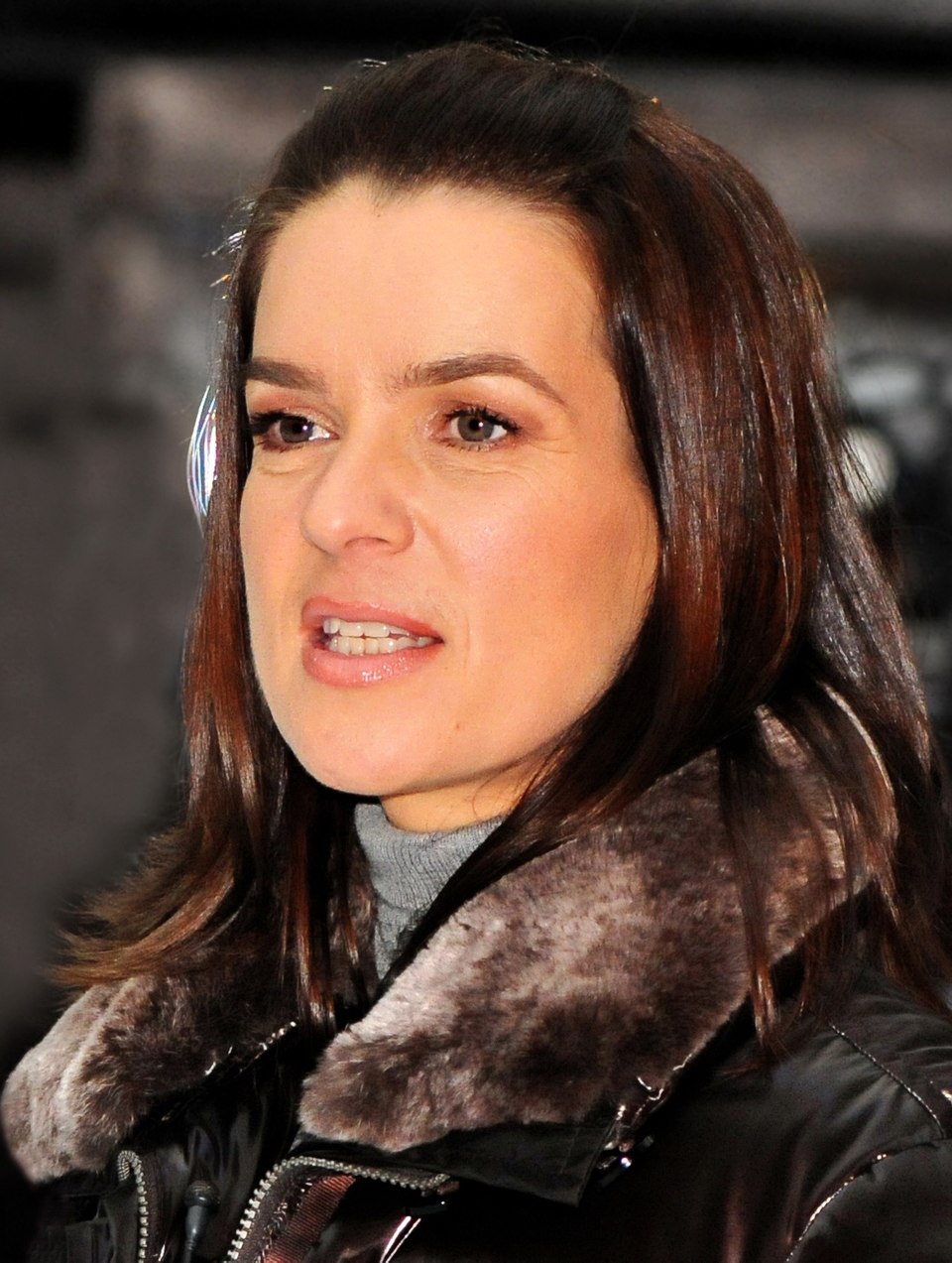
Katarina Witt: Beyond the Ice – A Biopic Unveils Post-Wende Identity and Comeback
Katarina Witt is a name synonymous with grace, power, and unparalleled success on ice. Yet, behind the dazzling smiles and perfect triple loops lies a story far more complex, one deeply interwoven with the seismic shifts of 20th-century Germany. As she approaches her 60th birthday, the release of the ZDF biopic "Kati – Eine Kür, die bleibt" ("Kati – A Program That Stays") offers a timely and intimate look into the most challenging, yet perhaps most defining, chapter of her life: her ambivalent years after the fall of the Berlin Wall. This article delves into how the film illuminates Witt's remarkable journey, her struggle for identity, her audacious comeback, and the enduring wisdom of a woman who has truly lived life by the horns.
From "Belle of Socialism" to Global Icon: The Early Years and Post-Wende Shift
For a generation, Katarina Witt was more than just a figure skater; she was the "most beautiful face of socialism," an emblem of athletic prowess and charm from the German Democratic Republic (DDR). Born in Berlin-Staaken in 1965, and later growing up in Karl-Marx-Stadt (now Chemnitz),
Katarina Witt geboren into a world rigidly divided, yet she transcended those divisions through her sheer talent. Her two Olympic gold medals (1984, 1988) and four World Championships cemented her status as the most successful figure skater of all time, making her a superstar not just in the DDR, but across the globe.
However, the fall of the Berlin Wall in 1989 brought an abrupt end to the familiar world Witt knew. Suddenly, the symbol of one political system found herself navigating a completely new landscape. While Hollywood beckoned, embracing her as an "Ice-Queen" and offering unprecedented opportunities, a different reality awaited her in her newly unified homeland. Here, the former "showcase star" of the SED regime faced scrutiny and criticism, forcing her into a profound period of self-reflection and identity-seeking. The biopic meticulously captures this duality, exploring the pressures of redefining one's public and personal self when the very foundation of your existence shifts dramatically. This era wasn't just about adapting; it was about reinventing herself from the ground up, a challenge she met with the same determination she showed on the ice, eventually blossoming into an
entrepreneurial icon.
The Biopic's Lens: Identity, Comeback, and the Unseen Struggles of the 1990s
"Kati – Eine Kür, die bleibt" is not a sweeping biography of Katarina Witt's entire life. Instead, director Michaela "Mimi" Kezele masterfully hones in on her tumultuous early 1990s, a period where Witt grappled with what it meant to be Katarina Witt in a united Germany. This was an era of profound introspection, where the global superstar had to reconcile her celebrated past with a sometimes critical present, all while contemplating an audacious return to competitive skating.
The film shines a light on the unique psychological toll of being a public figure in a state that ceased to exist. On one hand, she was adored in the USA, captivating audiences with her beauty and skill. On the other, she faced the complex, often painful, process of navigating German society's evolving narrative about its East German past. Her decision to attempt an Olympic comeback at the 1994 Lillehammer Games, spurred by a rule change, was more than just an athletic ambition; it was a powerful statement of resilience and a quest for a renewed identity, proving that her story was far from over.
*
Embracing Transition: Witt's journey offers a powerful lesson in embracing life's unexpected transitions. For public figures and everyday individuals alike, major societal or personal changes demand adaptability and a willingness to redefine success on new terms.
*
Facing Criticism: Learning to navigate and overcome past criticisms or associations is crucial for moving forward. Witt's ability to forge a new path despite public scrutiny is a testament to her inner strength.
A Masterclass in Resilience: Katarina Witt and Coach Jutta Müller
At the heart of Witt's journey, particularly during her most challenging years, lies her profound and often complex relationship with her legendary coach, Jutta Müller. The biopic sensitively portrays their bond, which transcended the typical coach-athlete dynamic. Müller, a formidable figure in her own right, was instrumental in shaping the young
Katarina Witt geboren with an innate talent into a global phenomenon. Yet, like Witt, Müller's career and standing were abruptly disrupted by the Wende.
In 1992, in the midst of her post-Wende identity crisis and the burgeoning idea of an Olympic comeback, Witt sought out her former mentor. She believed, with unwavering conviction, that only Müller could guide her back to the ice for the unified German team. Müller initially found the idea "absurd" – a sentiment understandable for a coach whose own career had been forcibly ended and who shared with Witt the burden of public mistrust due to their past associations with the DDR leadership. Their reunion for Lillehammer 1994 became a poignant narrative of trust, forgiveness, and shared resilience, highlighting the power of a mentor-protégée relationship even when tested by history.
*
The Power of Mentorship: Witt's insistence on reuniting with Müller underscores the irreplaceable value of strong mentorship. A good mentor provides not just technical guidance, but also emotional support, belief, and a historical perspective during challenging times.
*
Resilience Through Connection: Their story illustrates that resilience is often cultivated through meaningful human connections. Together, they faced down skepticism and societal judgment, finding strength in their shared history and mutual respect.
The Generational Divide: Witt's Perspective on Work Ethic and Modern Resilience
As Katarina Witt approaches her 60th birthday on December 3rd, her reflections extend beyond her personal journey to encompass broader societal observations. A member of Generation X (born 1965-1980), Witt believes her cohort "keeps the shop running" through sheer "diligence and discipline." She candidly questions whether younger generations possess the "necessary resilience," drawing a contrast between her generation's "we just did it" mentality and what she perceives as overthinking among today's 20-somethings when it comes to career choices.
Witt's perspective offers valuable insights into generational work ethics. Her generation, having navigated immense economic and political changes, often values direct action and a strong work ethic forged in times of scarcity. For Witt, seizing opportunities "by the horns" has been a guiding principle, allowing her to live 95 percent of the life she envisioned. While acknowledging the importance of embracing societal change and the aging population, her comments spark a wider conversation about what resilience means in different eras. Modern resilience might look different – perhaps emphasizing mental well-being, purpose-driven work, and adaptability in a rapidly changing technological landscape, rather than just "doing it" without question. For more on her views, explore
Katarina Witt at 60: Gen X's Work Ethic and Modern Resilience.
*
Bridging Generational Gaps: Understanding different generational perspectives on work, life, and resilience is crucial for harmonious societies and workplaces. Dialogue and empathy can foster intergenerational learning rather than division.
*
Defining Modern Resilience: While Witt's "just do it" attitude speaks to a powerful form of resilience, contemporary resilience often involves self-awareness, emotional intelligence, and the ability to adapt to complex, fast-paced environments. Both are valuable.
Conclusion
Katarina Witt's life is a testament to extraordinary talent, unwavering determination, and profound adaptability. From the moment
Katarina Witt geboren in the DDR, through her years as an Olympic champion, her challenging post-Wende identity search, and her eventual transformation into a savvy entrepreneur, she has consistently embodied strength and grace. The ZDF biopic "Kati – Eine Kür, die bleibt" offers a vital window into her most vulnerable and transformative years, providing not just entertainment but a deeper understanding of a woman who navigated geopolitical upheaval with remarkable personal courage. As she prepares to celebrate her 60th birthday, her story continues to inspire, reminding us that true success lies not just in victory, but in the resilience to redefine oneself, embrace change, and seize every opportunity life offers.