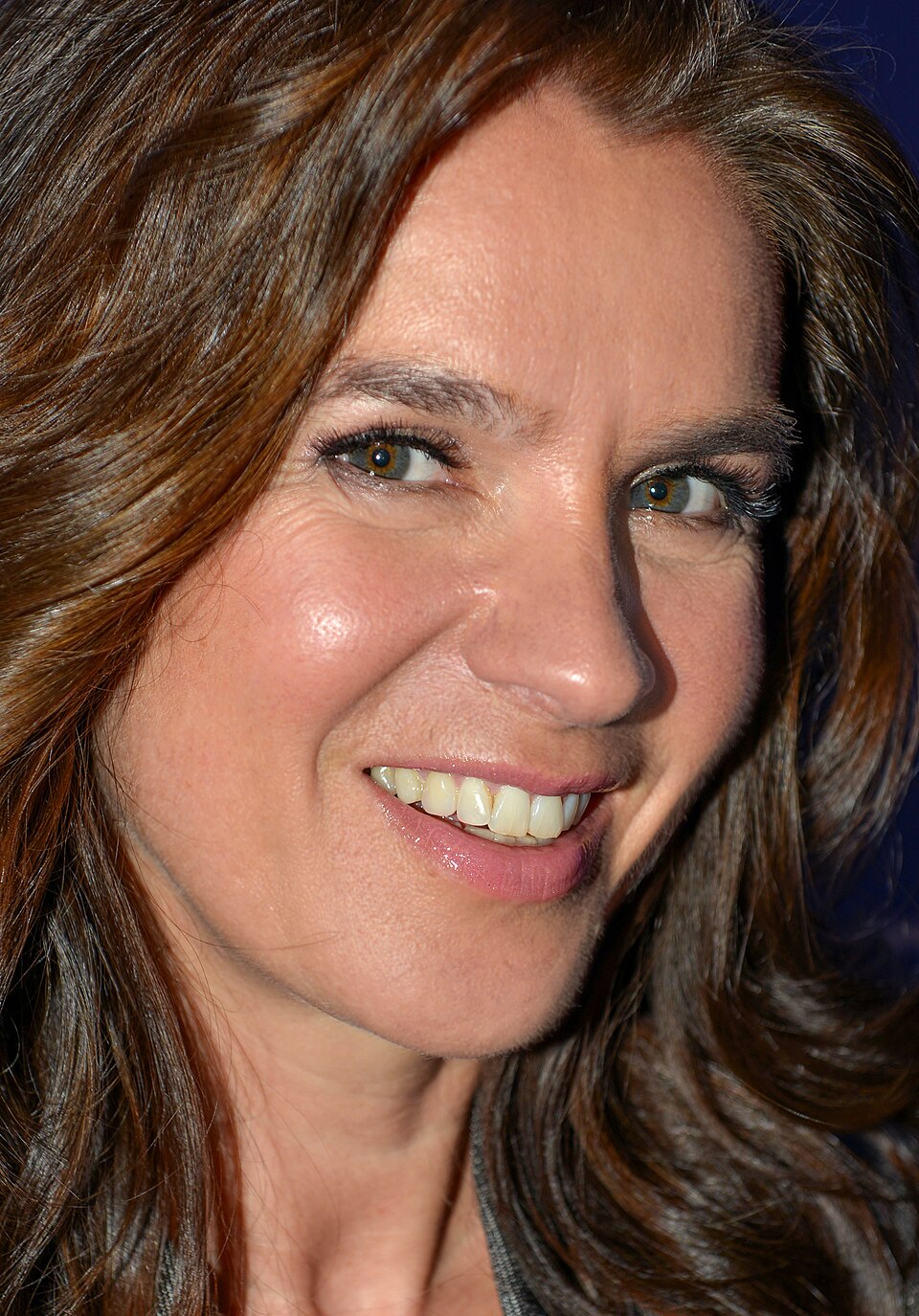
Katarina Witt: From DDR Ice Queen to Entrepreneurial Icon
Katarina Witt has long transcended the boundaries of sport, evolving from a celebrated ice skating legend to a compelling voice on societal values and a successful entrepreneur. Her journey is a captivating narrative that spans the Cold War, the reunification of Germany, and the complexities of modern identity. As she approaches a significant milestone, Witt continues to captivate, offering insights born from a life lived fully and forged by extraordinary circumstances.
Born in 1965 in Staaken, East Berlin,
Katarina Witt geboren into the German Democratic Republic (DDR), a world that would dramatically change around her. Her early life and prodigious talent on the ice quickly set her apart, propelling her to international stardom. Today, she’s not merely a historical figure but an active participant in contemporary discourse, reflecting on the work ethic of her generation, the importance of resilience, and the entrepreneurial spirit that has defined her post-skating career.
The Golden Era: From DDR Prodigy to Global Superstar
Katarina Witt's name is synonymous with grace, athleticism, and an unparalleled competitive drive. Her rise began in Karl-Marx-Stadt (now Chemnitz), where she trained under the watchful eye of the legendary Jutta Müller. It was in this environment that Witt honed the discipline and precision that would soon make her unbeatable. She became a symbol of excellence for the DDR, famously dubbed the "prettiest face of socialism."
Her career reached its zenith with back-to-back Olympic gold medals, first at the 1984 Sarajevo Games and again at the 1988 Calgary Games. These victories cemented her status as one of the most successful figure skaters of all time, alongside her four World Championship titles. Witt’s performances were not just technically brilliant; they were emotionally resonant, captivating audiences worldwide with her charismatic presence and artistic flair. She represented not just a nation, but an ideal of athletic perfection, her image broadcast globally, making her a superstar far beyond the Iron Curtain. This era, characterized by intense focus and state-backed athletic development, laid the foundational mindset of hard work and achievement that Witt carries to this day.
Navigating the Post-Wende World: Identity, Reinvention, and Resilience
The fall of the Berlin Wall in 1989 presented Katarina Witt with an entirely new world, one filled with both unprecedented opportunities and unforeseen challenges. Overnight, the "prettiest face of socialism" had to redefine herself in a unified Germany and the global free market. This transition was far from simple, marked by periods of self-discovery and even harsh criticism in her homeland, where her past association with the SED regime was scrutinized.
Yet, Witt embraced these changes, leveraging her international fame to transition into a global entertainer. She embarked on professional ice shows, became a Hollywood presence, and continued to captivate audiences. Perhaps the most poignant demonstration of her resilience was her unexpected Olympic comeback at the 1994 Lillehammer Games, competing for the newly unified Germany. This was not about winning medals, but about reconnecting with her identity, her sport, and a nation in flux. It was a deeply personal journey, beautifully explored in the recent ZDF biopic "Kati – Eine Kür, die bleibt." The film meticulously details these ambivalent post-Wende years, highlighting her struggle with identity and her bold decision to return to competitive skating, even reuniting with her former coach, Jutta Müller, despite initial skepticism. This period underscores Witt's profound ability to adapt and reinvent herself, a crucial trait for anyone navigating significant life changes. For a deeper dive into this transformative period, you can read more in our article:
Katarina Witt: Biopic Unveils Post-Wende Identity and Comeback.
A Generational Perspective: Work Ethic, Resilience, and Embracing Change
As Katarina Witt approaches her 60th birthday, her reflections extend beyond her personal journey to broader societal observations, particularly concerning generational work ethics. A member of Generation X (roughly
geboren between 1965 and 1980), Witt believes her generation is "keeping the shop running" through sheer diligence and discipline. She contrasts this with what she perceives as a different approach among younger generations.
Witt recounted an experience where a 28-year-old expressed indecision about their job, prompting her to reflect: "We simply got on with it and started." This perspective highlights a common sentiment among older generations, emphasizing a 'roll-up-your-sleeves' mentality born from necessity and a desire to build. Witt questions whether younger generations possess the "necessary resilience" to navigate challenges.
While her comments spark debate, they also offer valuable insights into the differing mindsets shaped by varying socio-economic contexts. Generation X witnessed significant global shifts, including technological revolutions and economic fluctuations, instilling a pragmatic and self-reliant ethos. For businesses and leaders, understanding these generational viewpoints is crucial for fostering effective teams. Practical tips for bridging this gap include:
- Promote Intergenerational Mentorship: Encourage experienced employees to share their knowledge and resilience strategies, while younger generations can offer fresh perspectives on technology and innovation.
- Cultivate a Culture of Growth: Emphasize continuous learning and development, showing that taking time to consider career paths is also a form of strategic thinking, not just indecision.
- Define Resilience Broadly: Acknowledge that resilience manifests differently across generations. For some, it's enduring hardship; for others, it's the ability to pivot and adapt quickly to new challenges.
- Embrace Change as an Opportunity: Witt’s own life exemplifies embracing change, even aging. Societies must view the wisdom and experience of older generations not as a problem, but as a valuable resource to be integrated and celebrated.
This discussion about generational differences and work ethic is further explored in our related article:
Katarina Witt at 60: Gen X's Work Ethic and Modern Resilience.
The Entrepreneurial Spirit: Beyond the Ice Rink
Katarina Witt’s transition from an elite athlete to a multifaceted entrepreneur is perhaps her most significant post-skating achievement. She embodies the adage of "grabbing life by the horns," stating that she has seized opportunities and, for 95% of her life, has led the life she truly wanted. This profound sense of agency and determination is a direct carryover from her athletic career.
The discipline, goal-setting, strategic thinking, and ability to perform under pressure that defined her time on the ice have proven invaluable in the business world. As an entrepreneur, Witt has been involved in various ventures, demonstrating her capacity to adapt her public persona and brand-building skills to new domains. She's not just a spokesperson; she's an active participant, making decisions and taking calculated risks. Her journey offers compelling lessons for aspiring entrepreneurs:
- Transferable Skills are Key: Recognize how skills honed in one field (e.g., sports, arts, a previous career) can be directly applied to entrepreneurship. Discipline, perseverance, strategic planning, and networking are universal assets.
- Seize Opportunities: Like Witt, be proactive in identifying and pursuing chances that align with your vision. Don't wait for opportunities to come to you; create them.
- Embrace Reinvention: The entrepreneurial landscape is constantly changing. Be prepared to pivot, learn new skills, and redefine your path as needed, much like Witt did after the Wende.
- Build a Strong Personal Brand: Witt's enduring appeal is partly due to her consistent public image and authenticity. A strong personal brand can be a significant asset in any entrepreneurial endeavor.
- Maintain a Vision: Having a clear idea of the life you want to lead, and working towards it with intentionality, can provide the motivation to overcome challenges and achieve satisfaction.
Witt's entrepreneurial success is a testament to her enduring spirit and her ability to translate the lessons from her illustrious sports career into lasting impact in the business world.
Conclusion
Katarina Witt's life is a vivid tapestry woven with threads of extraordinary athletic achievement, profound personal reinvention, and incisive societal commentary. From being a DDR ice queen,
Katarina Witt geboren into a world now gone, to becoming a global icon and a shrewd entrepreneur, her story is one of continuous evolution. Her reflections on work ethic and resilience resonate deeply in today's fast-paced world, urging us to consider the value of diligence, adaptability, and the wisdom of experience. As she continues to embrace new chapters, Witt remains a powerful symbol of grace, strength, and the enduring human capacity for growth and leadership, both on and off the ice.